
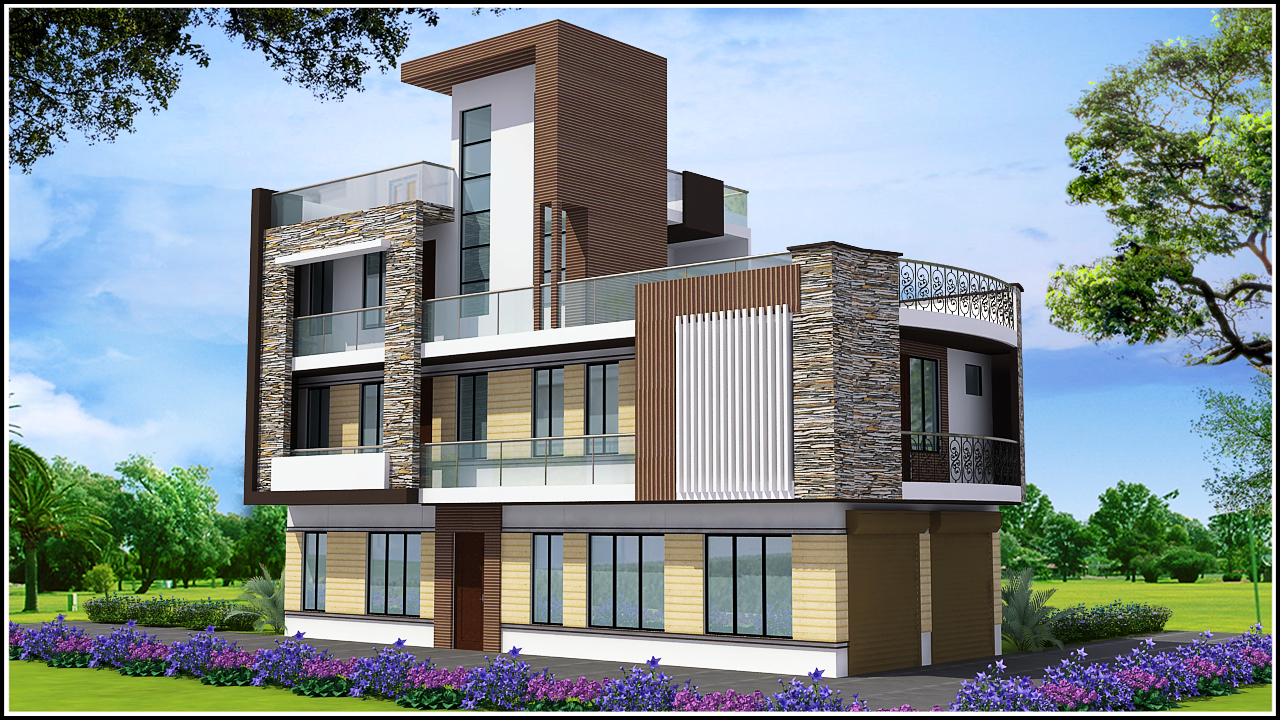
A well-designed house plan is essential for creating a functional, comfortable, and aesthetically pleasing living space. Here are the key features that make a house plan stand out as the best:
1. Efficient Layout and Flow
- Why it works: A well-organized layout maximizes the use of space, ensuring rooms are well-proportioned and easy to navigate.
- Key Features:
- Open-concept living areas (living, dining, and kitchen) that promote flow and interaction.
- Functional zoning of spaces—private areas like bedrooms are separated from public areas like the living room.
- Clear sightlines and easy access to important spaces.
- Logical transitions between rooms, avoiding awkward spaces.
2. Natural Light and Ventilation
- Why it works: Natural light not only makes the home feel more inviting, but it also helps save energy and improves the overall mood of the space.
- Key Features:
- Well-placed windows to maximize natural light throughout the day, particularly in key areas like living rooms, kitchens, and bathrooms.
- Proper cross-ventilation for airflow, reducing the need for air conditioning in mild climates.
- Skylights or clerestory windows can be added for additional light in darker rooms like hallways or bathrooms.
3. Space Efficiency
- Why it works: The best house plans use space efficiently, so each square foot has a purpose, eliminating wasted space and improving the overall livability.
- Key Features:
- Multi-functional spaces (e.g., a home office that can double as a guest room or a dining nook that also serves as a study area).
- Thoughtfully sized rooms—each room should be large enough for its function but not oversized, which can waste energy and materials.
- Adequate storage, such as built-in shelves, closets, and cabinets, to keep the home organized.
4. Future Flexibility
- Why it works: A good house plan considers future needs, such as family growth, aging, or changing lifestyle preferences.
- Key Features:
- Rooms or areas that can be easily repurposed (e.g., a guest room that can be converted into a home office or a playroom that can later become a study).
- Space for future expansions, like an additional bedroom or second-story addition.
- Universal design features that make the home accessible as the occupants age (e.g., wide hallways, no-step entries, or a bathroom that can accommodate a wheelchair).
5. Integration with the Environment
- Why it works: The best homes are integrated into their environment, both in terms of the surrounding landscape and the climate.
- Key Features:
- Orientation of the home to make the most of natural views, privacy, and sunlight (e.g., positioning the living areas toward the best outdoor views or solar orientation).
- Indoor-outdoor flow, with easy access to outdoor spaces like patios, decks, or gardens.
- Consideration of the local climate—natural ventilation in warm climates, insulation in colder climates, or sunshading features for energy efficiency.
6. Good Use of Outdoor Space
- Why it works: Outdoor spaces are essential for recreation, entertainment, and expanding the livable area of a home.
- Key Features:
- Spacious patios, decks, or verandas for outdoor dining and relaxation.
- Landscaping that enhances privacy and aesthetic appeal.
- Features like an outdoor kitchen, fire pit, or swimming pool that extend the living area outside.
7. Energy Efficiency and Sustainability
- Why it works: Energy-efficient homes not only help reduce utility bills but also minimize environmental impact.
- Key Features:
- Proper insulation and energy-efficient windows to maintain a comfortable indoor temperature.
- Solar panels, rainwater harvesting, or geothermal heating/cooling systems that reduce reliance on traditional energy sources.
- Sustainable building materials such as recycled or locally sourced materials, and energy-efficient appliances.
8. Privacy and Noise Control
- Why it works: Privacy and peace and quiet are essential in creating a comfortable and restful home.
- Key Features:
- The strategic placement of bedrooms and bathrooms to ensure privacy from the more public areas of the home.
- Soundproofing techniques in areas like bedrooms, bathrooms, and offices, especially in urban environments.
- Landscaping, fences, or other elements to create privacy from neighbors or street noise.
9. Aesthetic Appeal
- Why it works: A visually appealing home enhances the occupants’ sense of well-being and pride in their living space.
- Key Features:
- A design style that aligns with personal preferences—modern, traditional, rustic, minimalist, etc.
- Thoughtful interior design with attention to materials, colors, and finishes.
- Balanced proportions, with attention to symmetry and flow between rooms and the exterior.
10. Safety and Security Features
- Why it works: Safety and security are essential to the comfort and peace of mind of a home’s occupants.
- Key Features:
- Well-lit entryways and pathways to enhance safety.
- Secure windows and doors, and perhaps even smart security systems.
- Non-slip flooring, handrails, and childproofing options to reduce accidents.
11. Budget-Friendly Design
- Why it works: The best house plans help the homeowner stay within their budget while maximizing value.
- Key Features:
- A design that minimizes construction costs by using affordable materials without sacrificing quality.
- Efficient space utilization to avoid wasted square footage that would increase building costs.
- Cost-effective building methods, like pre-fabricated components or modular design elements.
12. Effective Lighting Design
- Why it works: Proper lighting is essential for creating mood, improving functionality, and enhancing safety.
- Key Features:
- Layered lighting that includes ambient, task, and accent lighting in each room.
- Use of natural light during the day to reduce the need for artificial lighting.
- Thoughtful placement of light fixtures to avoid glare and shadows, particularly in workspaces and reading areas.
By incorporating these features into a house plan, architects and designers can create a home that is not only visually stunning but also functional, efficient, and comfortable for the long term.

Leave a Reply