
A complete house plan set typically consists of a variety of detailed drawings that cover different aspects of the design and construction. Each drawing provides essential information that guides contractors, builders, and other professionals throughout the construction process. Here’s a breakdown of the common types of drawings involved in a complete house plan set:
1. Site Plan
- What it is: A site plan shows the layout of the house on the building site, including the orientation of the home, landscaping, and boundaries.
- Key Elements:
- Property boundaries and setbacks from the street or property lines.
- Driveways, sidewalks, parking areas, and any outdoor spaces (patios, decks, gardens).
- Location of the house on the lot, including any other structures or outbuildings.
- Topography, such as slopes or grades, and any drainage details.
- Utilities (water, electricity, sewage connections).
2. Floor Plans
- What it is: Floor plans provide a bird’s-eye view of each level of the house and show the layout of rooms, walls, doors, windows, and other features.
- Key Elements:
- Room sizes and proportions (bedrooms, bathrooms, kitchen, living areas, etc.).
- Door and window placements.
- Structural elements like walls, columns, and beams.
- Fixtures and fittings, such as sinks, bathtubs, kitchen appliances, and cabinetry.
- Location of stairs, elevators, or ramps (for multi-story homes).
- Any built-in furniture or custom installations.
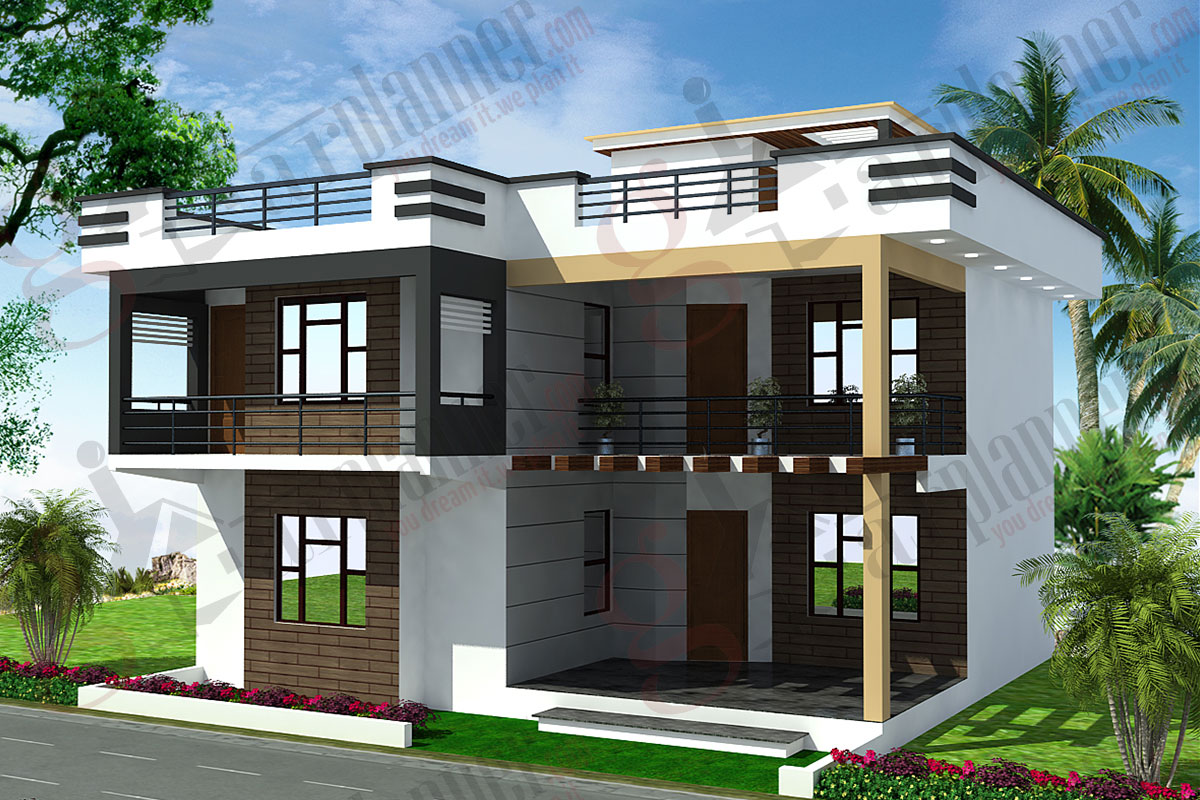
3. Elevations
- What it is: Elevation drawings depict the exterior views of the house from different angles (front, rear, sides).
- Key Elements:
- Exterior finishes (materials like brick, wood, siding, etc.).
- Roof lines, chimneys, and gutters.
- Window and door details.
- Overall height and proportions of the house.
- Landscaping features that may be visible (like steps or terraces).
- Any decorative or architectural features like balconies, columns, or dormers.
4. Sections
- What it is: Section drawings provide a vertical cut-through of the house, showing the internal layout from top to bottom.
- Key Elements:
- Wall construction details (studs, insulation, etc.).
- Floor-to-ceiling heights, including the spaces between floors.
- Roof construction (trusses, rafters, etc.).
- Staircase and structural support systems.
- Locations of doors, windows, and their relationship to floor levels.
5. Foundation Plan
- What it is: This drawing shows the layout and details of the foundation system that supports the house.
- Key Elements:
- Type of foundation (slab, crawl space, full basement, etc.).
- Location of load-bearing walls, piers, and footings.
- Foundation materials and dimensions.
- Any special foundation features (such as drainage or vapor barriers).
- Slope considerations (if the land is uneven or hilly).
6. Roof Plan
- What it is: The roof plan shows the shape, structure, and components of the roof.
- Key Elements:
- Roof slope (pitch) and style (gable, hip, flat, etc.).
- Placement of roof elements like chimneys, skylights, vents, and roof ridges.
- Roof framing system (rafters, trusses, beams).
- Materials used for the roof (shingles, tiles, metal, etc.).
7. Electrical Plan
- What it is: This plan details the electrical systems, including the placement of outlets, switches, lighting fixtures, and the wiring layout.
- Key Elements:
- Locations of electrical outlets, light switches, and appliances.
- Placement of light fixtures, fans, and other electrical devices.
- Circuit breaker panel location.
- Any electrical load calculations and connections to the grid.
- Specifications for wiring type and connections.
8. Plumbing Plan
- What it is: A plumbing plan shows the layout of the water supply and drainage systems.
- Key Elements:
- Water lines (hot and cold) and drainage lines.
- Fixture locations (sinks, toilets, showers, tubs, dishwashers, etc.).
- Vent pipes for plumbing system ventilation.
- Hot water heater or boiler location.
- Drainage systems for wastewater.
9. HVAC (Heating, Ventilation, and Air Conditioning) Plan
- What it is: This drawing outlines the system for heating, cooling, and ventilating the house.
- Key Elements:
- Placement of HVAC equipment like furnaces, air conditioners, and ducts.
- Ventilation systems (for air intake and exhaust).
- Ductwork layout and dimensions.
- Thermostat locations.
- Zone controls for different areas (if applicable).
10. Interior Elevations and Details
- What it is: These drawings provide detailed views of interior features and finishes, such as cabinetry, built-ins, and stairways.
- Key Elements:
- Detailed drawings of custom cabinetry (kitchen, bathroom, storage).
- Stair details (elevation, handrails, steps).
- Interior wall finishes and texture details (e.g., tile, paneling, trim).
- Special interior design features (e.g., fireplaces, alcoves, or recessed lighting).
11. Landscape Plan
- What it is: This drawing provides a layout for outdoor spaces, including garden areas, walkways, patios, and other landscaping features.
- Key Elements:
- Plantings (trees, shrubs, flowers).
- Hardscape elements like pathways, patios, driveways, and retaining walls.
- Outdoor structures (gazebos, fences, decks).
- Drainage systems for rainwater collection and diversion.
- Outdoor lighting and irrigation system.
12. Detail Drawings
- What it is: These are zoomed-in drawings that show specifics of construction methods, materials, and connections.
- Key Elements:
- Construction details for windows, doors, and joints.
- Specific architectural elements like cornices, moldings, or custom designs.
- Any non-standard construction or unique features (e.g., curved walls, special staircases).
13. Building Code and Compliance Drawings
- What it is: These drawings ensure that the design meets local building codes and regulations.
- Key Elements:
- Fire safety considerations (exits, fire-rated walls, sprinklers).
- Accessibility features (wide doorways, ramps, bathroom fixtures).
- Structural load-bearing information.
- Compliance with energy efficiency standards.
Each of these drawings is typically created using architectural software (such as AutoCAD or Revit) and provides a comprehensive blueprint that guides the entire construction process. Depending on the complexity of the project, the plan set may include additional details, but these are the essential components of a well-rounded and complete house plan.

Leave a Reply